Coco Chanel
She was smart, stylish and on the cutting edge. The clothes she fashioned changed the way in which women looked and perceived themselves. Coco Chanel wasn’t just ahead of her time…She was ahead of herself [1].
By collaborating with male and female clothes, Chanel created a trend that challenged traditional conventions and offered the wearer a new sense of style – one of hidden luxury. Chanel wouldn’t have seen herself as a feminist, but her work is certainly part of the liberation of women that evolved out of necessity and defiance.
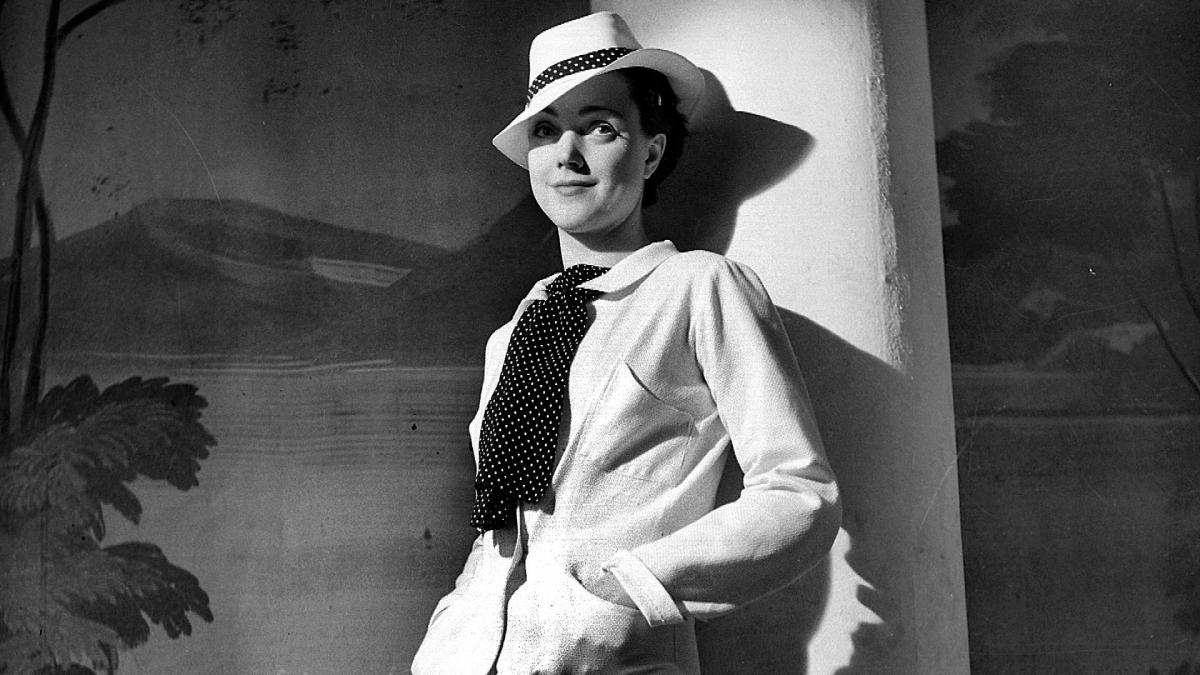
Born into poverty and raised in an orphanage run by nuns, she couldn’t afford the fashionable clothes of the time [2]. Thus, she rejected them and made her own, using everyday male attire. This is where her style begun. Chanel was determined to break the old methods and create a different way to express herself. According to Prada; a company concerned with woman’s fashion: “She was really a genius. It’s hard to pin down exactly why, but it has something to do with her wanting to be different and wanting to be independent” [3]. At this stage, her style was often seen as different, yet distinctive, as she rebelled against traditional design.
Her life was very unique. Throughout the 1920s, Chanel’s progress continued, and her reputation grew to an iconic status. By the early 1930s she had been captured by the glamour of Hollywood and had almost married one of the richest men in Europe – the Duke of Westminster. But she didn’t, and her explanation was: “There have been several Duchesses of Westminster. There is only one Chanel” [4].
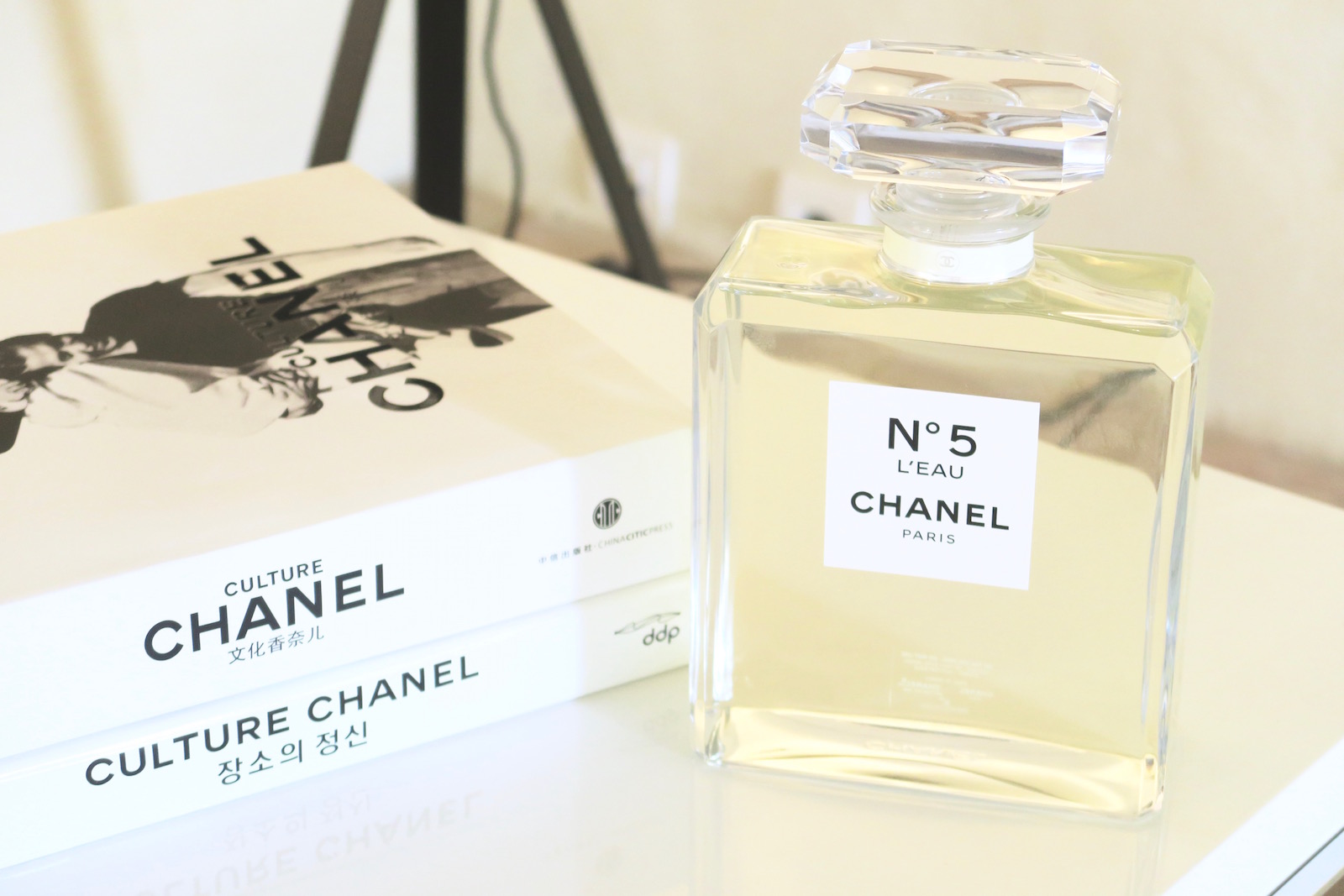
In fact, there were several Chanel’s, just as her work had several phases and styles. These included short skirts, excessive jewellery, glittering lingerie and ‘little black dresses’ that made her famous – just to name a few. But perhaps the single element that Chanel will always be remembered for isn’t a piece of clothing, but a form of liquid gold – Chanel No. 5. In its art deco bottle, it was the first perfume to label a designer’s name [5].
But Chanel’s opportunism caught up with her after World War 2. It has been said that she had a love affair with a German officer, worked with the Nazis and may have even spied for them. These rumours remained for some time and troubled Chanel. When she returned to the fashion industry in the 1950’s, her name still had ‘disgraced’ attached to it. “By the ’50s she had the benefit of distance, and so could truly distil the Chanel look. Time and culture had caught up with her” [6]. But most people managed to forgive and forget. At least enough to snap up her clothing line. The business, if not Chanel herself, retained its lasting appeal.
Even after her death, Chanel’s life story continues to captivate our society. Chanel had achieved first-name recognition and was simply Coco.
References
[1] http://cocoat5.blogspot.com
[2] https://www.biography.com/people/coco-chanel-9244165
[3] http://content.time.com/time/magazine/article/0,9171,988494-2,00.html
[4] Ibid.
[5] Ibid.
[6] https://www.businessoffashion.com/articles/education/gabrielle-coco-chanel-1883-1971

 Design Ideas