“Designing Women is an exhibition that highlighted the dynamic and critical force of female designers in shaping contemporary design culture” (Kalms, 2019). In other words, all designers whoes work been exhibited are talented women. The exhibition has been divided into four themes, Leadership; Community; Teamwork and Research.
One of the initial and major ideas of Designing Women is to point out the issue of sexual division of labour and to show the gifts of women designers. “The design industry itself, then, perpetuates the passive female stereotypes — women designers do sedentary work on textiles, fashion and ‘pretty picture’ (graphics), while the men do the ’rougher’ ‘more practical’ work of designing consumer and industrial products” (Bruce & Lewis, 1990). If you look at the famous designers, they are usually male. Even in the clothing industry now, many design directors are male. For example, Alexander Wang and Virgil Aboh in Louis Vuitton who used to be a leader in Off White which is another famous fashion brand. In terms of industrial design, although there are more women in this industry than before, they are still mostly male designers take in charge the industry. Not to mention the Automotive industry. Noticing the issue of gender imbalance is just the start, understanding how gender difference can make impact on design is also a task.
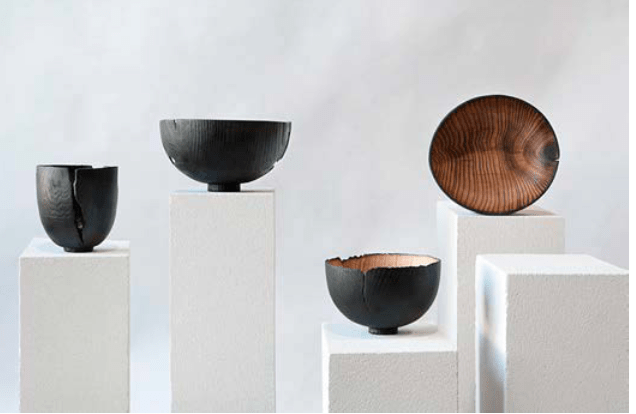
Figure 1
Makiko Ryujin is a Japanese based designer who moved to Australia in 1999. Her work that be exhibited in the Designing Women is Shinki #3 which is a black and orange wooden bowl with various crack on the body. This bowl is not that attractive at the first sight. It is just a bowl that someone will even question its functionality due to the cracks. But when you start to look at it, you will notice that that bowl is made of wood with interesting rim which is similar to a burn wood piece. “Makiko Ryujin’s “Shinki Burning Vessels” represent a body of work that reflect on the transformation of timber by fire and captures the beauty of design processes that ca be at once about control and unpredictability” (Kalms, 2019). Indeed, she has a fine control on burning timbers without ruining the timbers. The grain of timber has been preserved on the appearance of Shinki #3, even though it was burned by fire. The wood that had been burned has a sense of looseness, as if it would crashes when people touched it. The inner wall of the bowl also has grain on it but different from the external wall, it has no rough texture. Some portion of the inner wall catches some burn as well which makes viewers focus on it, at the same time makes every single of the bowl unique. Because even the using the same timber, the various level of burn creates unpredictable outcome. The shape and the colour of the vessel is similar to a Japanese copper “Qing” which adds a sacred feeling. In addition, the inspiration of this burning series is based on Makiko’s personal experience that she visited a annual purification rites when she was little.
Japan has a tradition that people will buy Daruma and burin it few days after the Japanese New Year. People will first buy a red Daruma without eyes and draw a right eye on it first as they are making a wish for a new year. If their wish comes true, they will complete drawing the left eye and bring it to the rites and burn it. This action commonly is regarded as a exchange of luck. Makiko attended one of those ceremony and applied this idea to her burning vessels. After knowing the story behind it, I would like to say that the Burning Vessels can “bring” us luck while us using it. She has a website where we can buy another burning vessels from and use them as a container for fruit and etc. Actually, Japanese people will place one eye Darmua at home in a spot where they can see it easily, because doing that can remind the owners of their goals. Makiko’s design is beautiful and meaningful.
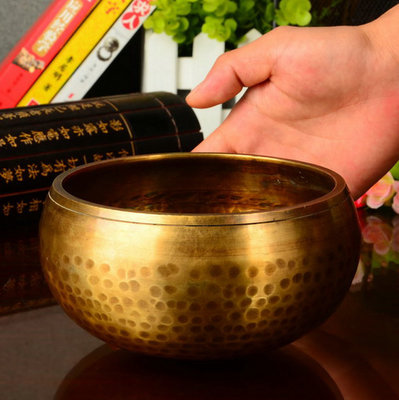
Figure 2
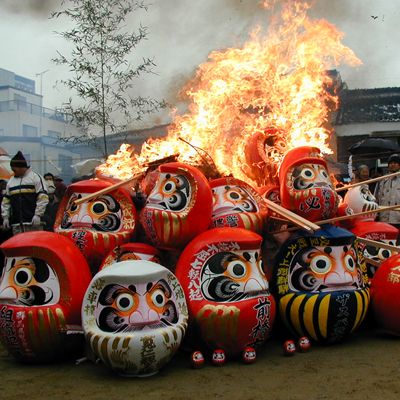
Figure 3
The Burning Vessels contains many aspects in terms of design. A attractive design inspiration with high techniques. In Makiko’s making process, she uses fire gun and dresses like a “man”, in comparison to the old image of a woman designer, Makiko is different. In the past, only men can make Daruma and host the rites. Within this kind of exhibition and theme, it’s hard not to think that Makiko is making a voice as women — Women can now do what men can do. While producing one vessels, she needs to make many attempts, so that it is possible to have a satisfying design.
Makiko is one of the designer that represents the Community part of the theme of the Designing Women. “Designer-makers contribute to the understanding of what design means, and central to designer-maker production is the passing on of tacit knowledge through communities of practice.” (NGV, 2019). The Burning Vessels a series of products that is regards as a everyday object contains the knowledge of Japanese culture and what Makiko wants to express as a designer-maker.
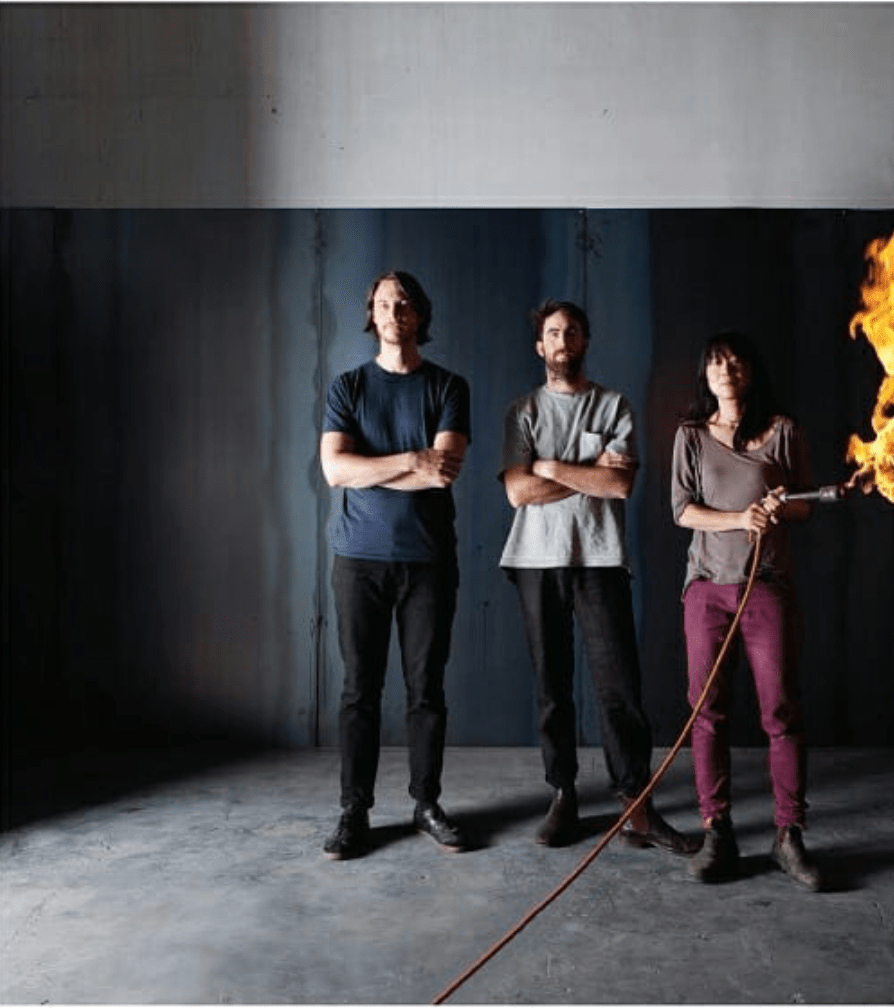
Figure 4
“Women have always been, and remain, a significant part of the design profession — as partitioners, commentators, educators and commissioners.”(Sellers, 2017) Although the imbalance will still remain in our society, the contribution of reducing it should to be appreciated. The division of labour is just one of the results of gender discrimination.
Images:
Figure 1: https://search-informit-com-au.ezproxy.lib.monash.edu.au/fullText;dn=220564185599900;res=IELHSS
Figure 2: https://images.app.goo.gl/Dd8ZeLKQrsGKcTj59
Figure 3: https://images.app.goo.gl/Mee6p3YQR4jR1DC5A
Figure 4: https://search-informit-com-au.ezproxy.lib.monash.edu.au/fullText;dn=220564185599900;res=IELHSS
References:
Kalms, Nicole. Designing women [online]. Artichoke, No. 66, March 2019: 118-121. Availability: https://search-informit-com-au.ezproxy.lib.monash.edu.au/documentSummary;dn=220564185599900;res=IELHSS ISSN: 1442-0953. [cited 08 Apr 19].
Bruce, M. & Lewis, J. (1990). Women designers: Is there a gender trap? Design Issues, 11(2), 114-120. https://doi.org/10.1016/0142-694X(90)90026-9
 Design Ideas