Set Designer – ES Delvin

Designer, magician of emotion. The difference between designers and engineers or pattern makers is designers are good at transferring emotion and personality to their design, let their woks have temperature and have stories can tell to the users and audiences. In other words, designer make intangible feelings present in a sensed way. Compare with engineers and pattern makers, they focus on the function, solve the physical problem and translate designer’s idea to reality.

The feeling of emotion, depends on a very wide levels, such us  personal experiences and cultural backgrounds. We can not find a person, who has the exactly same life experience with us, everyone  may have different feeling and comments of the designs. How designers can design their works to let people empathetic? 
“Devlin was devising her own great (Oliver award-winning) white box- a revolving cubic stage design for Lucy Kirkwood’s Chimerica of 2013”. [1] The stage was design for Lyndsey Tuner, the director of the drama. “This is a thoughtful, complex portrait of New York photojournalist Joe Schofield’s search for the subject of his most iconic picture: a lone Chinese protestor who stood in front of a column of tanks in Tiananmen Square on June 5 1989. Here, Chimerica is a fragile web of shifting human relationships, which are sometimes severed by corporate greed, state cruelty, or individual selfishness, but achieve moments of connection which transcend their inhospitable environment”.[2]  
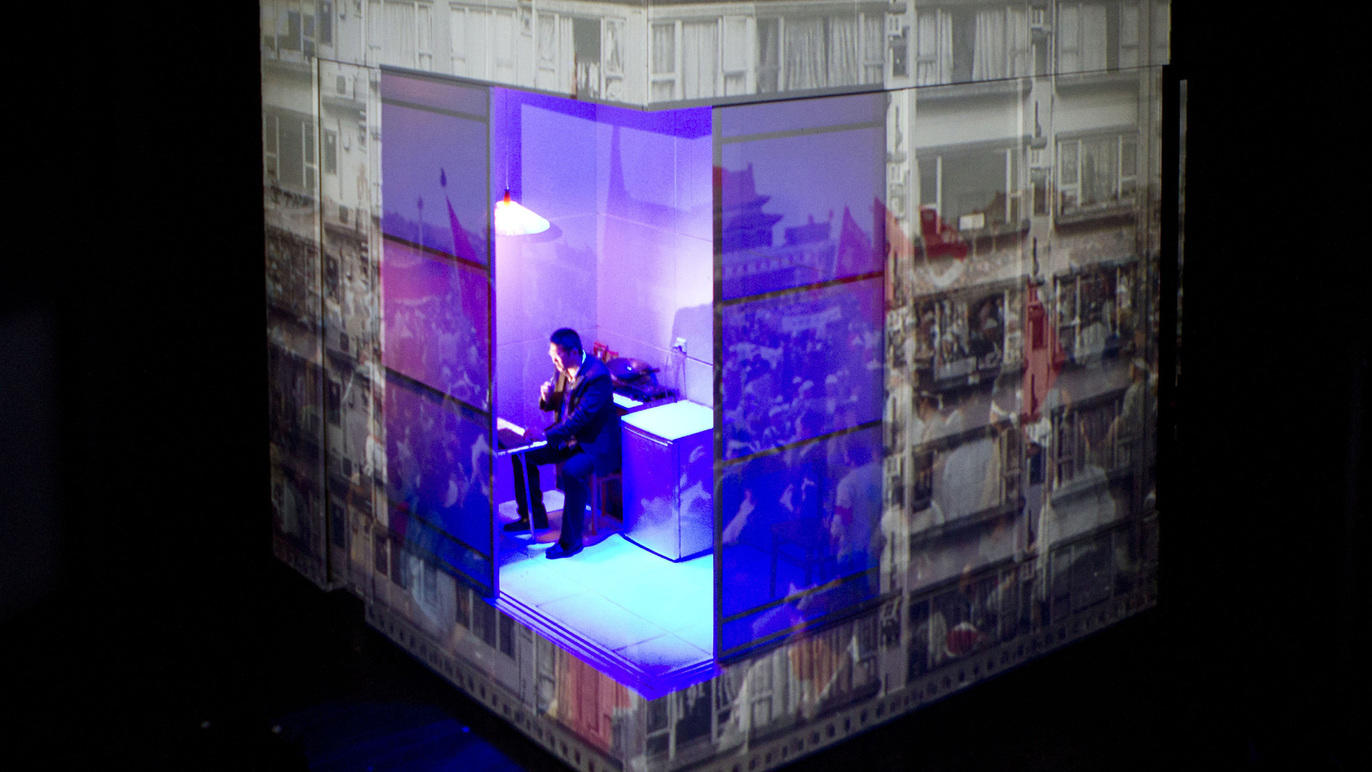
Delvin, as a British set designer, how did she present the two big countries’ interaction and contradiction that she did not have much personal experience of these countries, and how she translate the photojournalist’s feeling and emotion in his photos to three dimensions stage? “We cannot have a reductive theory of design’s totality or its specific sign functions if we are to understand its multiple forms. In the geography of design, where meaning shifts by movement and conjuncture, there is no essence outside of a logocentric view”.[3] We can not form ourself in a confined space or comfort zone to design, especially when the inspiration and way of telling the story we want is different to our experience and background. 

In the design of Lucy Kirkwood’s Chimerica, Delvin was combining scenes taking place in both countries through a cleverly devised box that rotates as video projections and photographs are cast on to its sides. We can see is not only a rotating white cube displaying photographs, but also presenting the photojournalist’s emotion of contradiction and shock by overlaying and changing the transparency of the photographs across the show. The aim is to make the audiences have  entire new visual and thinking stimulation through the rotate of the cube.  
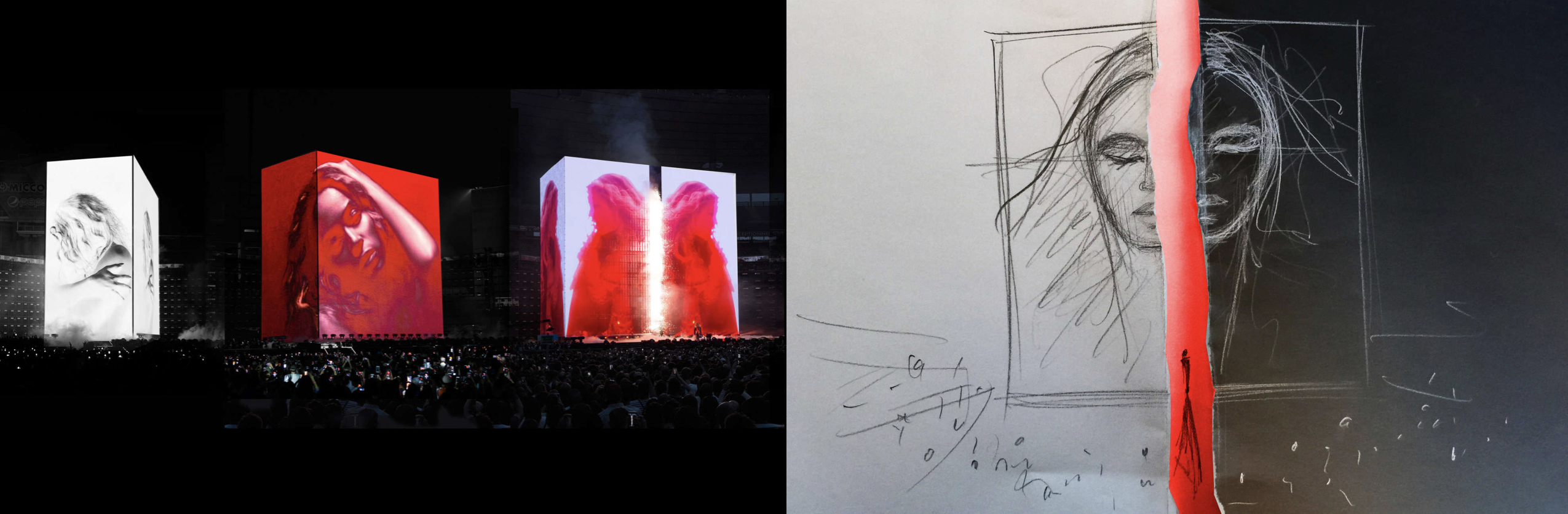
The main structure of most Delvin’s designs is playing around with the geometric shape, such as the stage designed for Beyonce’s 2015 Formation Tour. Similar with the stage of Lucy Kirkwood’s Chimerica, it is a rotatable cube, but larger scale and more complex elements. During the concert, audiences feel exciting when the form and the angle of the cube is keep changing. For example, the cube can separate to two parts, so in the third part of the. concert, Beyonce walks out from the cube, and the collocation with dazzling lights, which is the audiences can not expect.
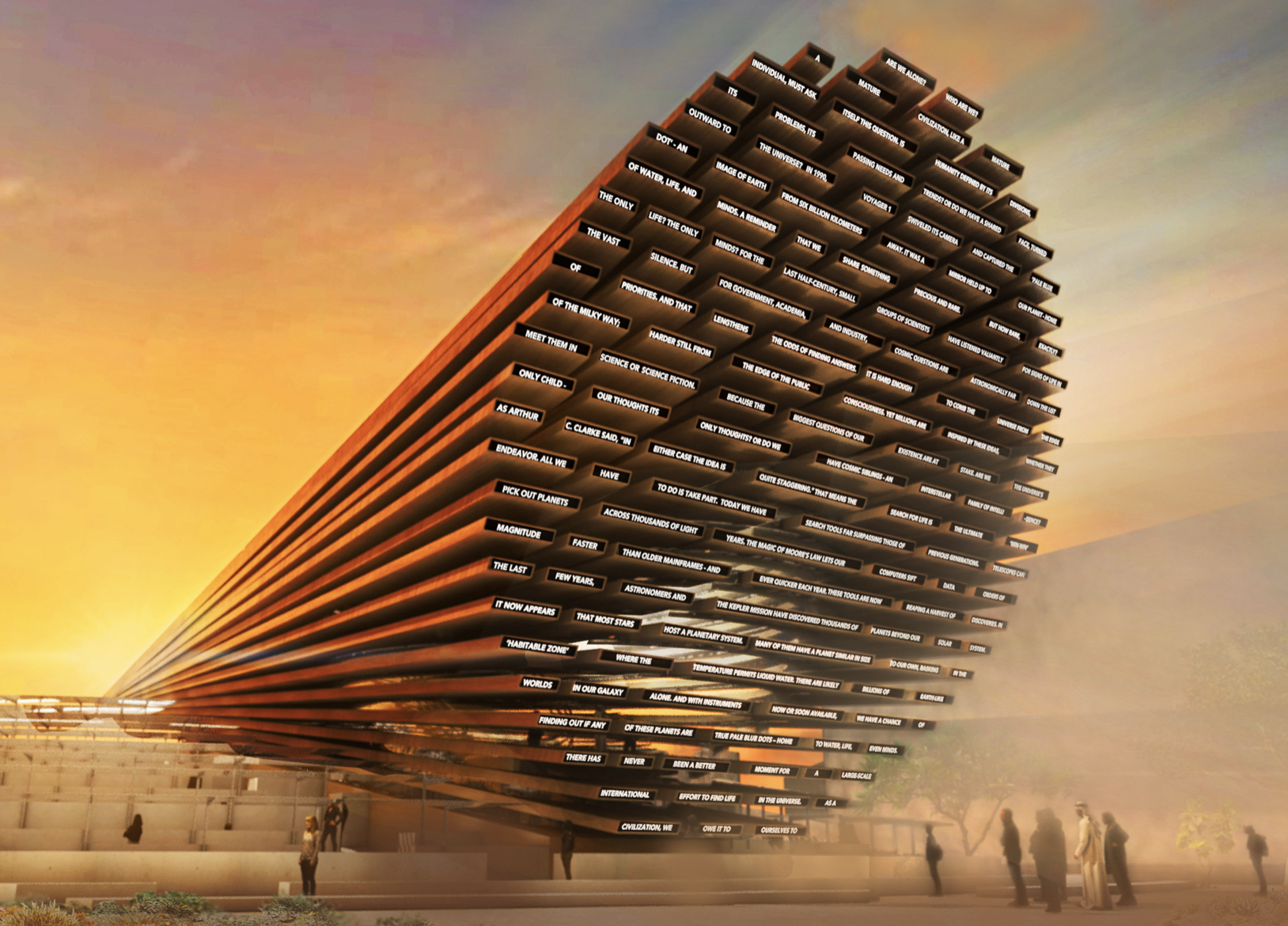
From these designs of Delvin, we can strongly feel her personality and how deep she researched her clients. She did not framed by her background like where she born and where she grew up. She make people see her talent first, then people would like to explore her background to figure out what life experience she had to support her became a good designer.“Marginality is being on the edge or outside of the relations of exchange, no matter where they are located, on what scale they might be, or who or what is powering the activity.”[4]  No matter where you from, where you live, if you got talent, then all you have to think of is how to express your designs to the world, just like Delvin. But we can still say Delvin is a ‘forgotten hero’ because she born in Europe, the central of the world trend culture, where grows more talented designers and artists compare with other continents in the world, so it is really hard to be seen in that area. After designed numbers of stage for drama, fashion shows and concerts, she started design architecture like she has been chosen to create the UK Pavilion at the Dubai Expo 2020, with a performative structure that will use artificial intelligence to write poems.  

In conclusion, interdisciplinary design is the trend to simulate new design thinking and idea, and designers can combine their profession and express their emotion by different ways.

[1]Libby Sellers, Women Design

[2] Caroline McGinn, Chimerica. Accessed April 2 2019

https://www.timeout.com/london/theatre/chimerica

[3][4] Tony Fry, A Geography of Power: Design History and Marginality
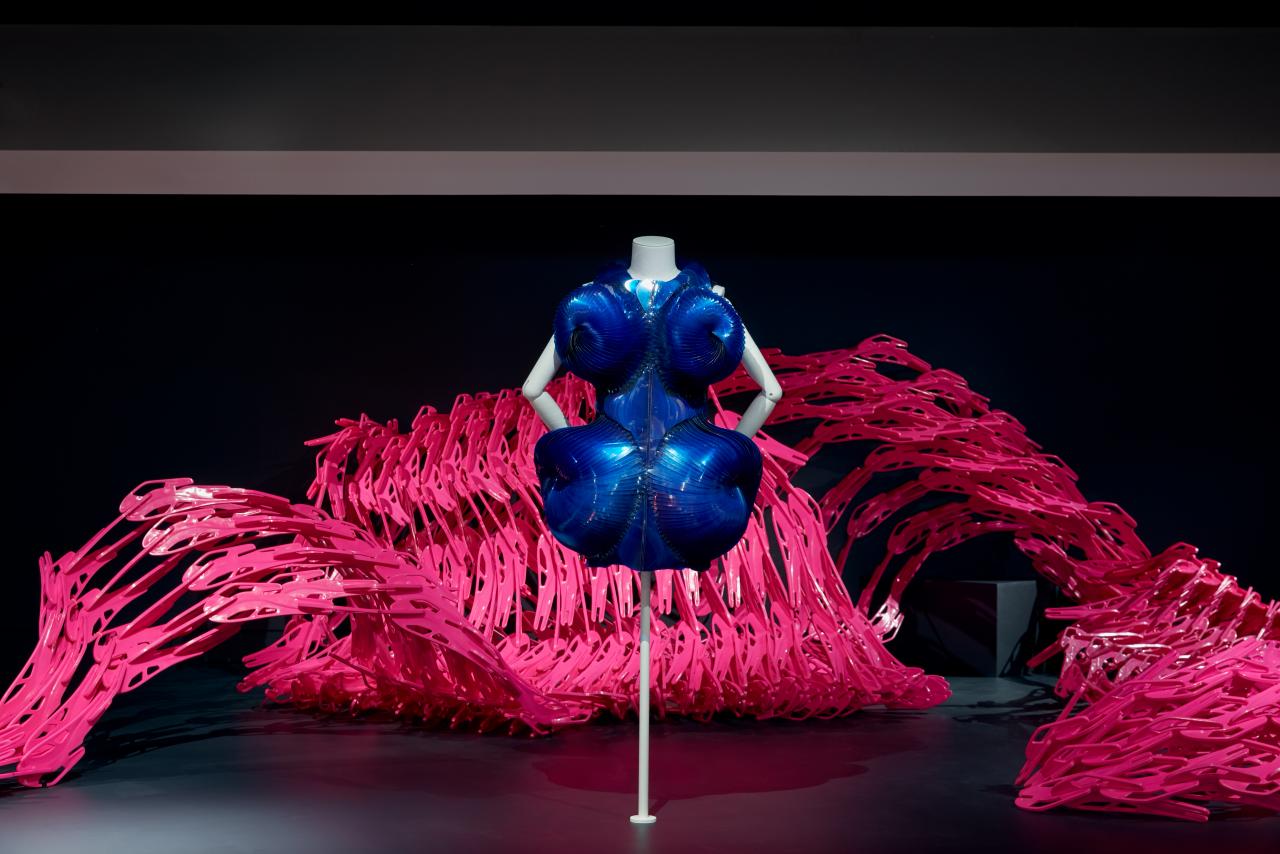
Designing Women: Christian Dior 2018 S/S Look48

From ancient times to the present, the problem of the inequality between men and women has always been questioned by people, that how does this happen and what can we do to solve the problem? Until nowadays, the invisible ceiling is still existing, so what we can do to fade this situation is discussing how to make women’s talent can be seen by the world? How do women express their design thinking and be recognized? 

“Designing Women”, is a limited period exhibition focused on art pieces designed by female designers at National Gallery of Victoria during 2019 Melbourne Design Week. We can easily explore and find the differences between male and female designers, especially on clothing, female designers express more about woman power and their true egos, that we can not see in male designers’ artworks. Spanning nearly 40 years, from 1980 to 2018, Designing Women highlights the ongoing role of female designers as a dynamic and critical force in shaping contemporary design culture. From fashion design, contemporary jewellery, and product design, to architecture and digital innovation, Designing Women draws from the NGV Collection to showcase over 50 significant works of design – across diverse creative fields – all united by their female authorship[1]. 

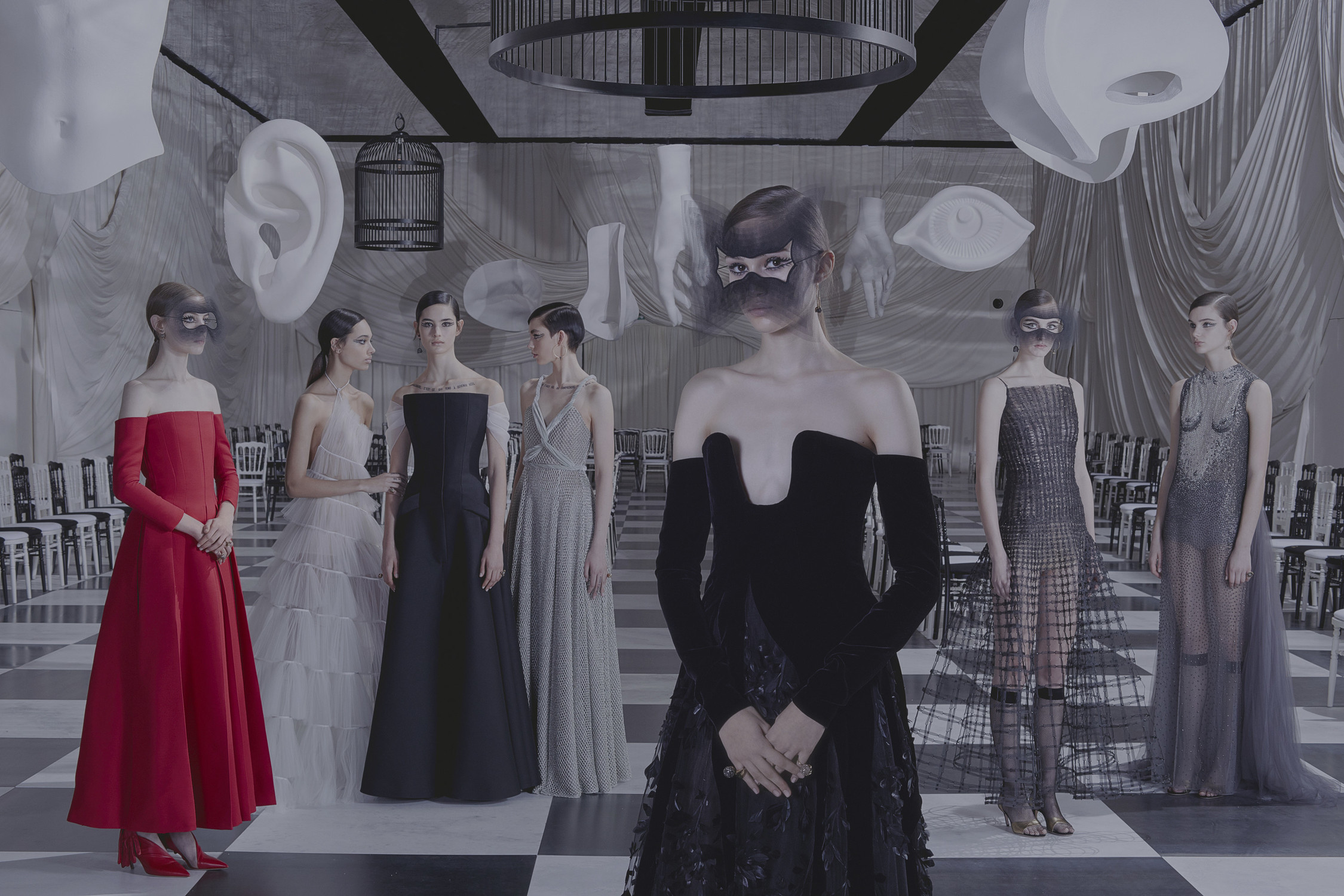
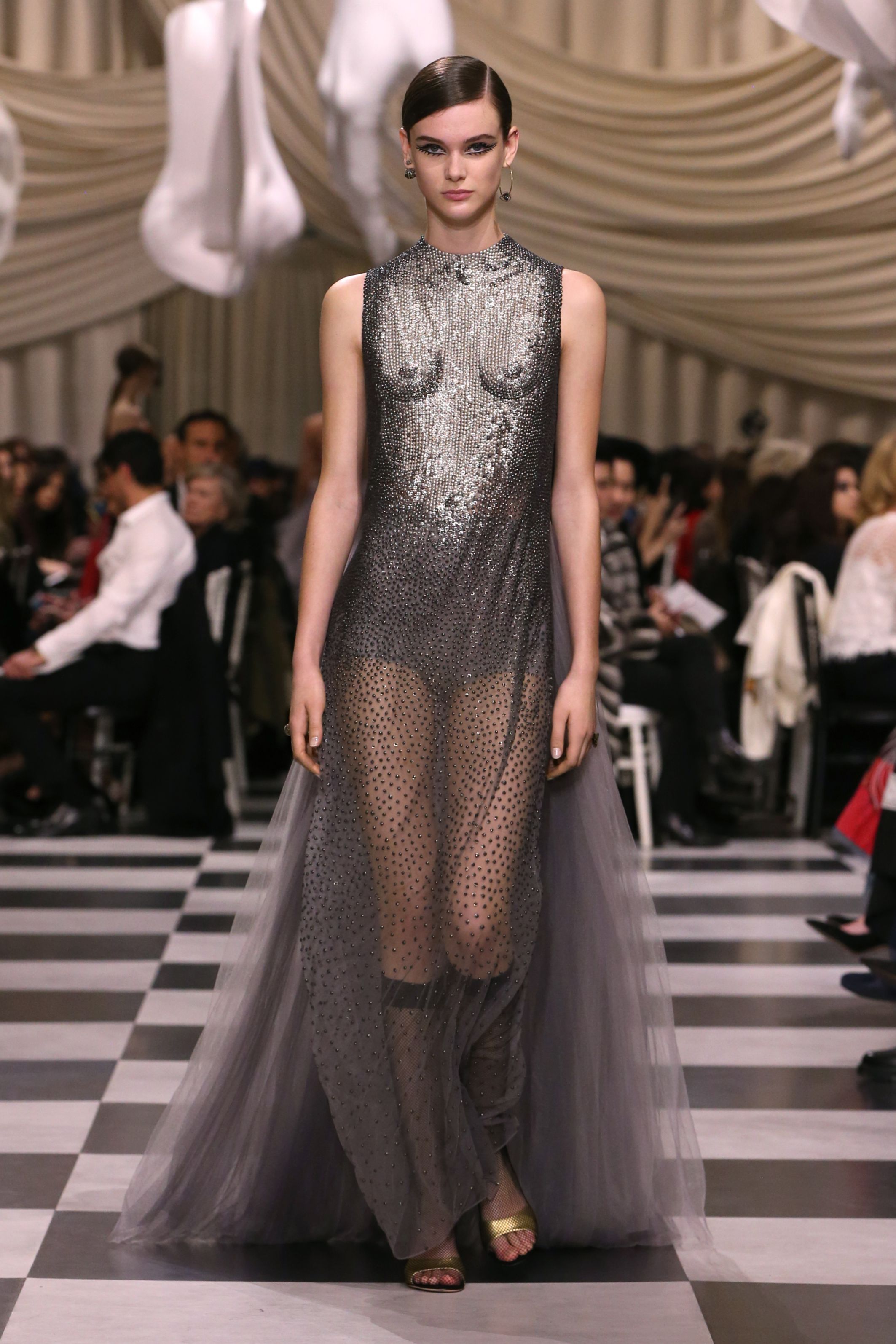
Maria Grazia Chiuri, who is the first female creative director of Christian Dior announced in 2016. Before joining the  Christian Dior group, Chiuri has worked for Valentino from 1999 to 2016. She shows her talent, and different design thinkings very well, because she understands how to express and combine her idea with traditional design languages of various brands, such as Valentino and Christian Dior. She proves that gender is not a matter in fashion design, and she still put much effort to express that female designer can do the same thing that male designer can do, and female designer can also be the leader in great company or brand. One of her design , “Look 48 Dior 2018 spring-summer”, has been exhibited in the exhibition.

Throw back to the history of fashion design, the proportion of male and female couturier is imbalanced until now, due to many issues and gender politic in the past, which is still influencing most industries include fashion industry, with men disproportionately dominating top roles across all areas of business.

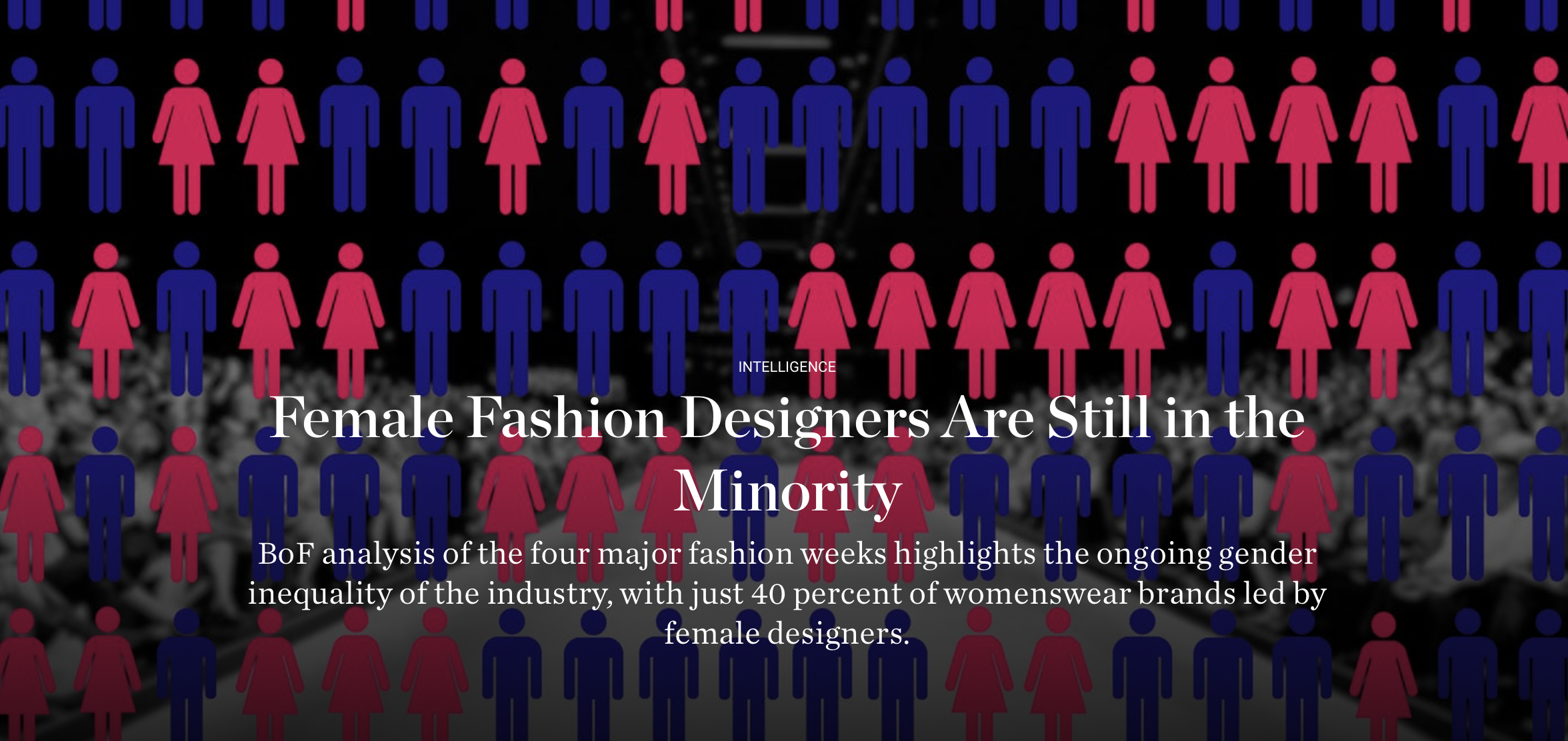
Of the 371 designers helming the 313 brands surveyed by BoF across the four fashion weeks, only 40.2 percent are female. This gender imbalance is not equally weighted across the different cities either. New York and London, where the fashion week schedule skews to younger, more emerging brands, have the highest proportion of female designers, with women accounting for 47.3 percent and 40.5 percent of designers respectively [2]. It can be regards as like gender marginalization, so we should not define people’s talent and position by gender, and other unequal rules. Until now, the inequality of male and female is still the fact, so female has to put more effort to express their creative and different design thinking, especially in the fashion design. 

Except gender issue, what cause this effect? There is other group of people discussed that, the reason why male designer can be famous and respected by people is that male designer is using their imagination of the ideal woman, such as goddess and Venus. This thinking of that male couturier can make better pieces is already inveterate to everyone, even there is another female couturier that can do the same thing.

Marginality in this context is being on the edge or outside of the relations of exchange, no matter where they are located, on what scale they might be, or who or what is powering the activity[3]. Marginality is everywhere, and if you are not on the trend or not belong to the main group in the world, then it is very hard to survive and be seen by public, no matter in what field. Chiuri broke the marginality of gender in fashion design since she is aware of the globalization and the contemporary social expectation, she attempts to distinguish herself from the main stream of fashion industry by making her voice widely heard.

We can always see that she adds a lots of ingenuity to express the beauty and tenderness of femme in her design which we can not see from other male couturiers’ designs, not only from her designs at Dior, but also from the most pieces she designed in the past. In the period of Valentino, she expressed the elegance of women by using floral elements and earth tone silk. She is good at playing around these colour and material. 

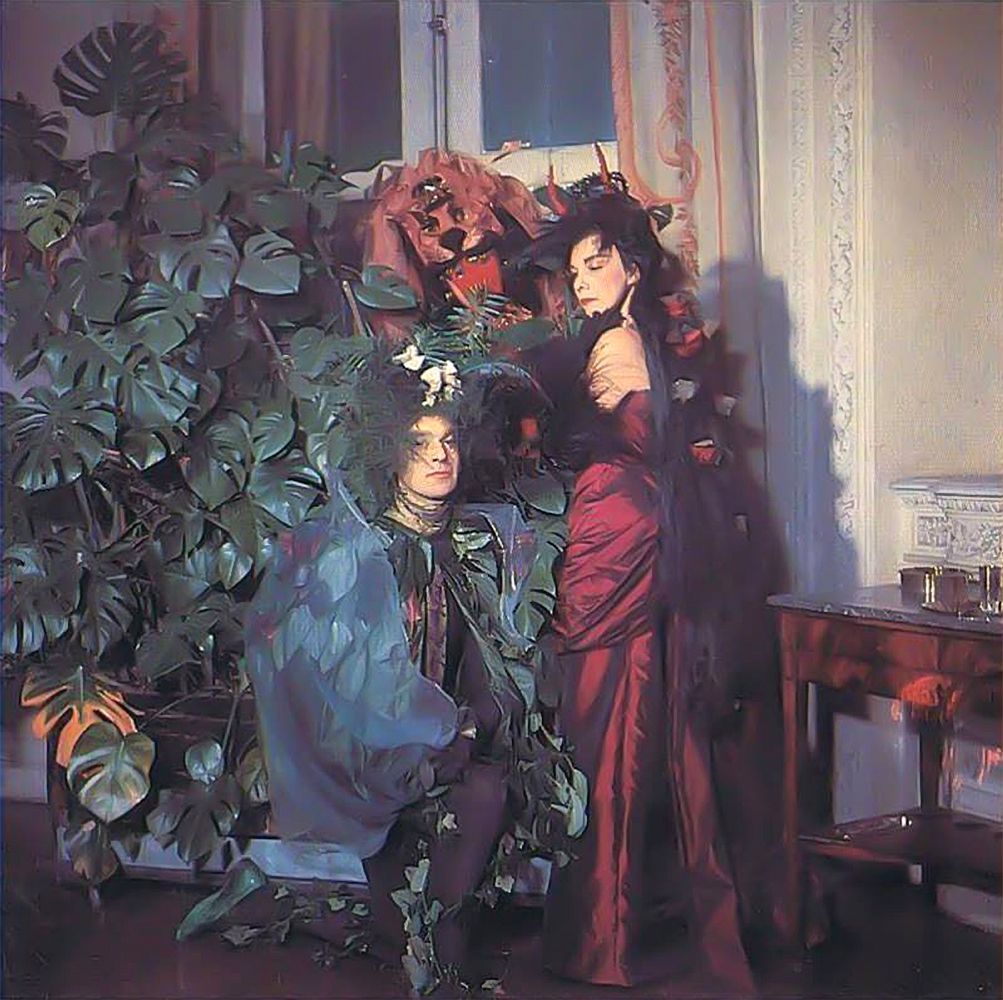
 For the 2018 spring–summer collection she reflected on Surrealism and the unconscious, with reference to the work of Leonor Fini, a female avant-garde artist who Christian Dior exhibited in the gallery he ran before becoming a couturier [4]. Look48, Chiuri used the combination of metal and silk, created a huge contradiction to express the style of avant-garde. The tactile and visual impression of metal and silk is totally different, but Chiuri transferred metal to a soft and comfortable material to wear. Also, we can see the middle part of the dress is most covered by metal, but it still perfectly present the line of the model.

Chiuri proved that women can lead a historical brand which have no female creative director before. She breaks the marginality of gender, leading a huge fashion group, and created her own style which can not replace by anyone. Although women still have to work harder to prove what they can do even better than men, but if you got talent, and creativity, gender will not be a matter to stop you to move on the road of success.

[1]National Gallery of Victoria: Designing Women. Accessed March 30 2019 https://www.ngv.vic.gov.au/exhibition/designing-women/

[2]Helena Pike,Female Fashion Designers Are Still in the Minority. Accessed March 30 2019 https://www.businessoffashion.com/community/voices/discussions/how-can-fashion-develop-more-women-leaders/less-female-fashion-designers-more-male-designers

[3]Tony Fry, A Geography of Power: Design History and Marginality
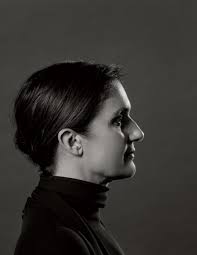
[4] ]Labels of Designing Women. https://www.ngv.vic.gov.au/wp-content/uploads/2018/10/Designing-Women_Large-print-labels.pdf